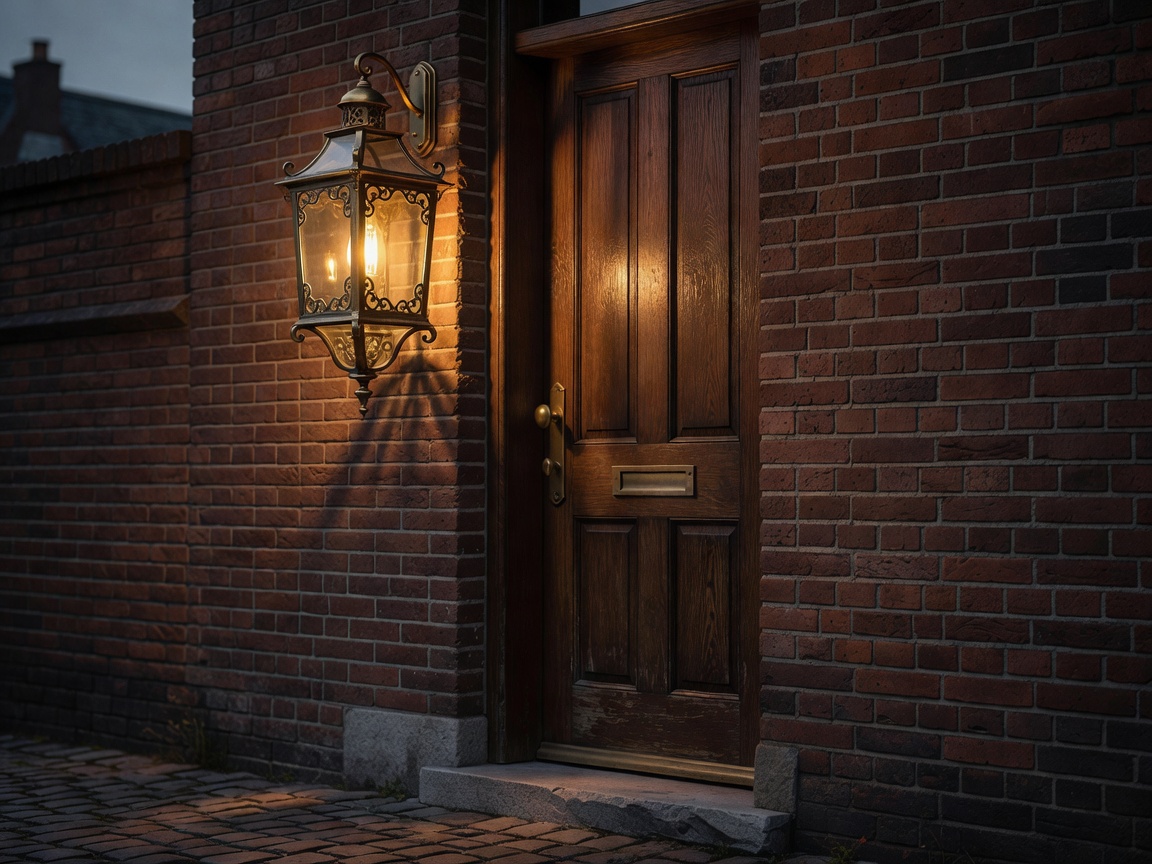
Wall lanterns and architectural sconces define the first impression of a property. Traditionally hardwired to interior switches, they were often left on all night (wasting electricity) or accidentally left off (creating an uninviting and potentially unsafe dark entryway). Bringing these fixtures into a smart network solves both issues seamlessly.
Two Paths to Intelligence: Bulbs vs. Integrated Fixtures
Upgrading exterior wall lighting generally involves one of two approaches: retrofitting existing fixtures or replacing the hardware entirely.
Retrofitting with Smart Bulbs: If your home features high-quality, weather-sealed lanterns that match the architectural style, discarding them is unnecessary. By swapping the standard E26/E27 or GU10 bulbs for smart equivalents, you instantly modernize the fixture. The critical caveat is that the interior physical light switch must remain permanently in the "ON" position so the bulb retains network connectivity. To solve this, homeowners often install smart wall switches inside the house, creating a redundant system where the physical switch and the app both control the smart bulb logically rather than cutting its electrical power.
Integrated Smart Sconces: For a cleaner look, many opt for dedicated smart sconces. These units feature integrated LED arrays rather than replaceable bulbs. They tend to offer superior thermal management (extending the lifespan of the diodes) and can incorporate sophisticated features like up-and-down independent beam control. Because the wireless receiver is built into the chassis, these fixtures often possess better antenna placement, yielding more reliable connections to the home Wi-Fi or Zigbee mesh.
Color Temperature and Curb Appeal
A major advantage of smart wall lanterns is tunable white light. The color temperature of light, measured in Kelvin (K), drastically affects the mood and visual perception of a home's exterior.
- 2700K - 3000K (Warm White): Traditional, welcoming, mimicking the glow of a halogen or incandescent bulb. Best for brick, wood, and traditional architectures.
- 3500K - 4000K (Neutral White): A crisp, modern look. Frequently used on stucco or painted contemporary homes where true color rendering is desired.
- 5000K+ (Cool White): Stark, high-contrast lighting. While excellent for security visibility, it is often perceived as sterile and is generally discouraged for front door aesthetics.
Smart lanterns allow users to shift this temperature dynamically. You can program the sconces to output a crisp 4000K during early evening to aid visibility for returning family members, and slowly transition to a warm 2700K deeper into the night to reduce sleep disruption and light pollution.
Dawn-to-Dusk Scheduling
The most fundamental automation for a wall lantern is the dawn-to-dusk routine. Rather than relying on physical photocell sensors (which degrade over time and can be tricked by nearby streetlights), smart systems use geofencing and cloud data.
By inputting the home's location, the controller pulls accurate daily sunrise and sunset data. You can set the lanterns to activate precisely 20 minutes before sunset, ensuring the transition from natural to artificial light is seamless. Furthermore, these can be tied to smart doorbells; if the doorbell camera detects a package delivery, it can instruct the porch sconces to flash or ramp up to maximum brightness to ensure high-quality video capture.